

The village
A freehold village laid out in 1854
The original layout of Greyton remains essentially the same today.
History
Before Greyton was established
Before Greyton was established in 1854, the verdant plains and forested ravines of the area were home to the Hassequas khoikhoi tribe who had their kraals near the Gobos river, which they named after their ancestral chief. After the arrival in the Cape of the Dutch in 1652, loan-farms were established in the Overberg which resulted in the exclusion of the Hessequas from their land. One of these farms was Weltevreden, which was ultimately acquired by Herbert Vigne.
Herbert Vigne established a freehold agricultural village on his Weltevreden farm in 1854, keeping two small portions for himself and bequeathing the remainder of the farm to the proprietors of the erven as commonage. He named the village “Greyton”, after Sir George Grey, the then Governor of the Cape.
The original layout of the village remains essentially the same today, with some zoning and other changes and additions made through the years. Originally the various sized properties were made available to buyers of any race, nationality or religion at affordable prices. This was the only town in the Cape in which such land with full title deeds, water rights and grazing rights was for sale to anyone.
Village character
Protecting what makes Greyton itself.
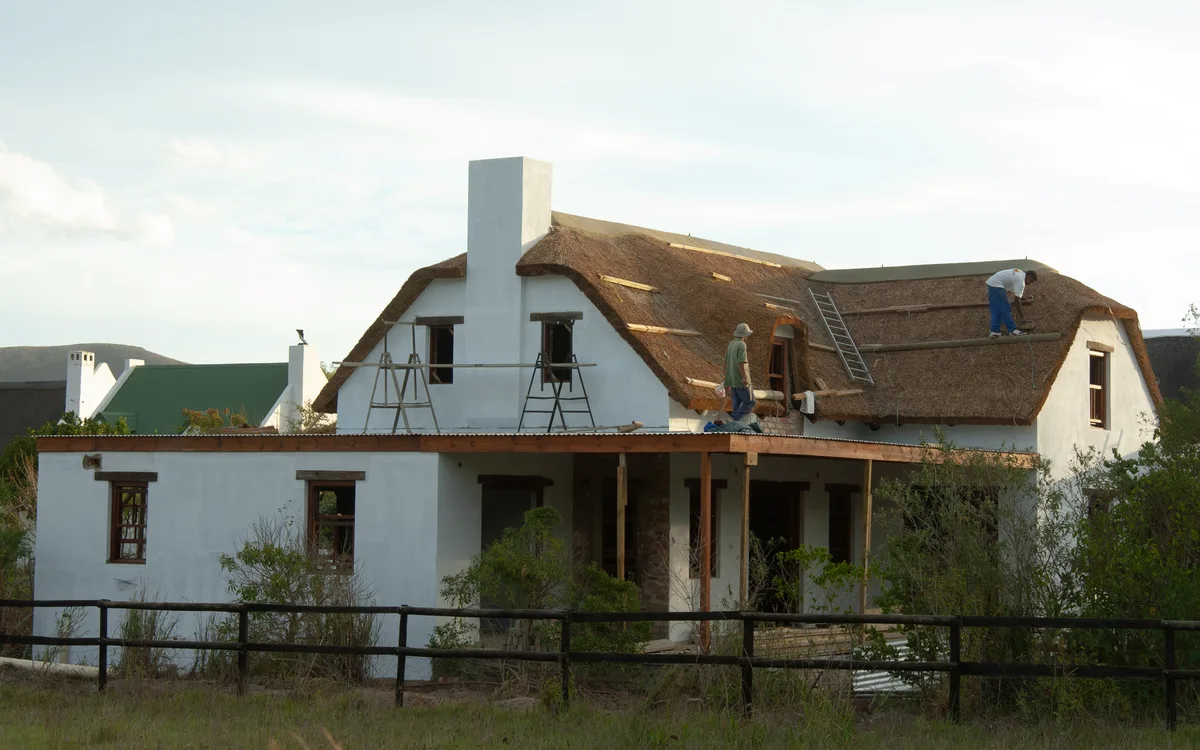
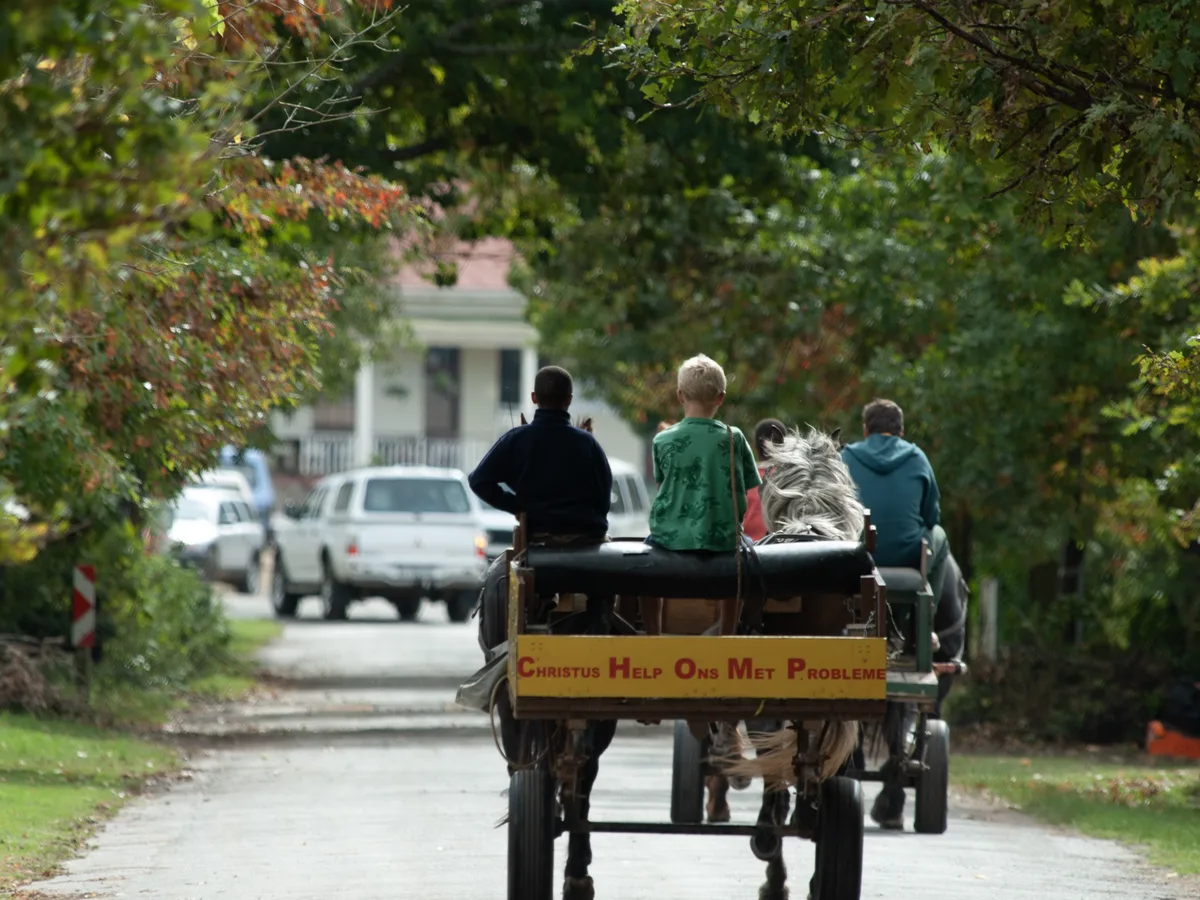
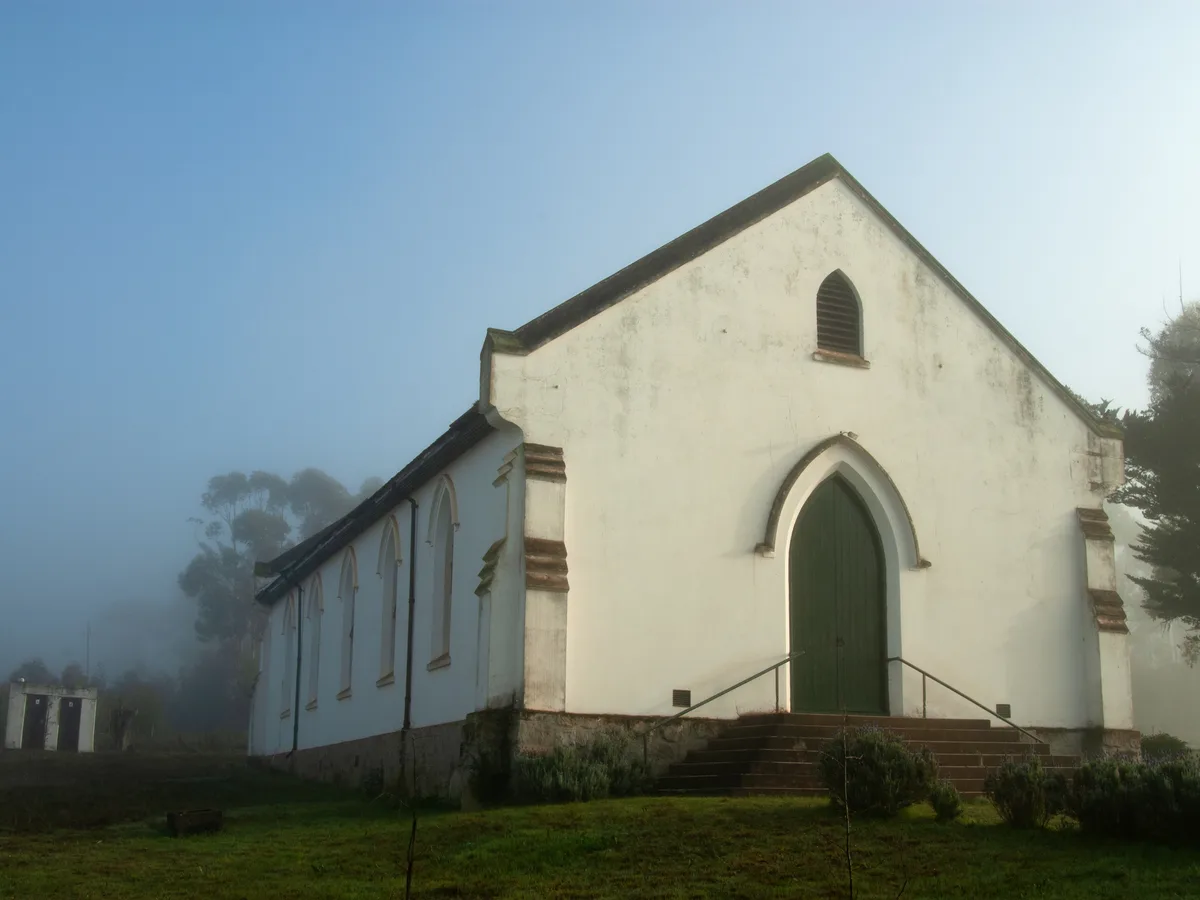
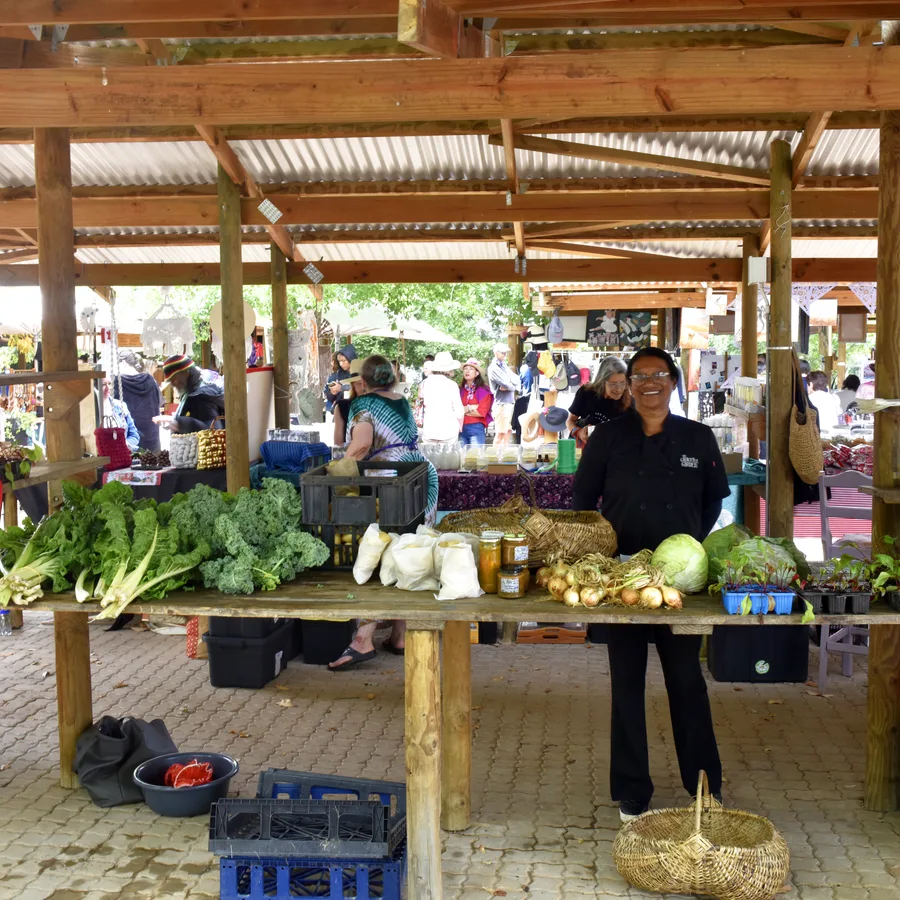
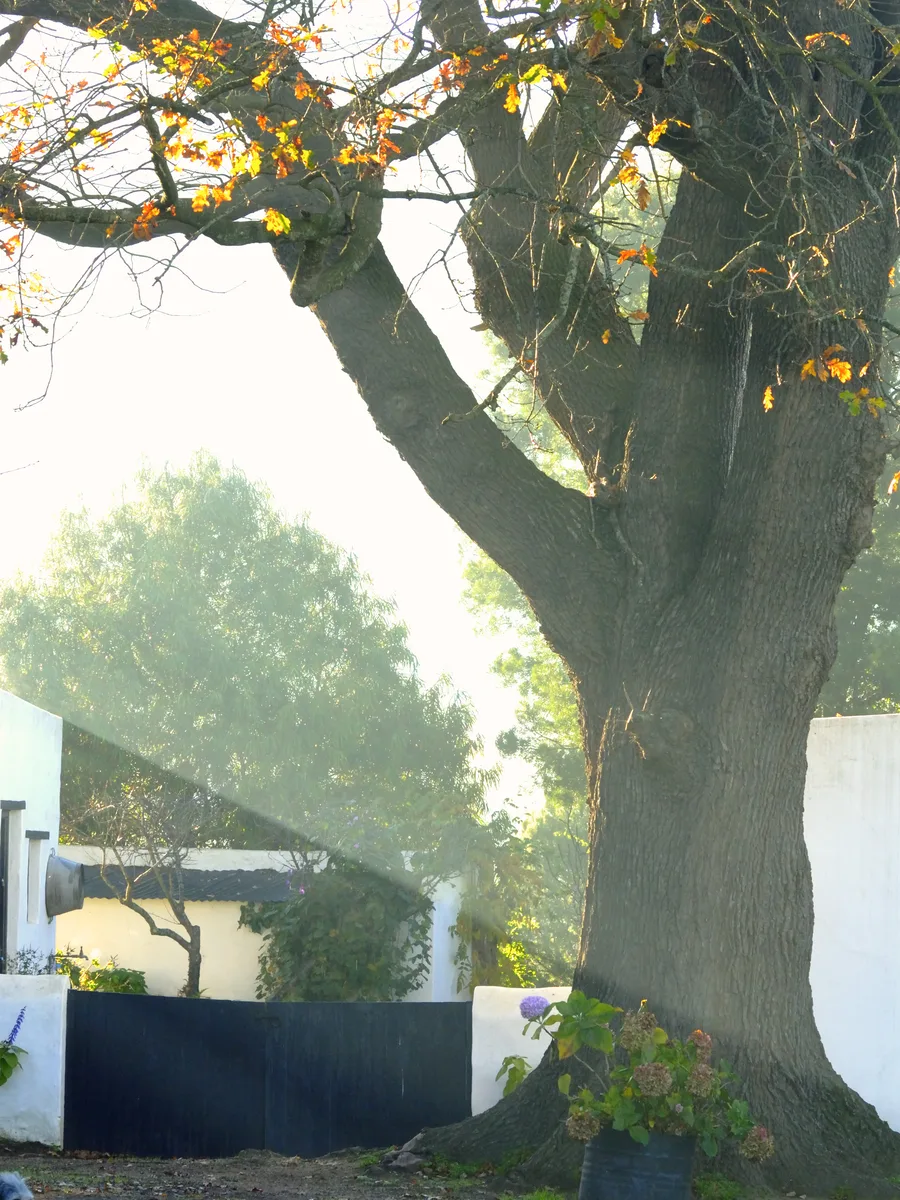
Part of the GCS stewardship mandate is to assist in the protection and enhancement of the village character of Greyton, including the historical and cultural origins, heritage, architecture, streetscapes, lei-water system, village market and urban green spaces. GCS supports and endorses a number of committees and working groups, mainly resourced by volunteers, that work in collaboration with the Theewaterskloof municipality to achieve this. Examples of such working groups are the Lei-water Committee, and the Aesthetics Advisory Committee (to protect the built environment and architectural heritage).
Lei-water Committee
Looking after the furrow system that runs down the streets and waters the gardens and the oaks.
Aesthetics Advisory Committee
Soon to be re-established by the municipality to allow residents and locals to have a say in the protection of the built environment and the architectural heritage of the village.